

I’m with Matthew Fox on the Superhero Ethics podcast. We talked manga and #TheMangaBible and I had a great time. Full disclosure: since you can’t talk ethics (or manga, or superheroes) without also talking politics, especially when talking in 2026 to a host who lives in Minnesota, a little political comment is involved, The show […]

Frederik L. Schodt is someone whose own scholarship is impeccable. So when he recommends a piece of work on manga history, it’s work checking out. Mattt’s video is an hour and a half of loving, dedicated and accurate research, conveyed with clarity and passion. “How manga broke the US comic industry” really impressed me. It […]

Although asked in the context of Miyazaki’s and Ghibli’s views on the primacy of the feature film, this question covers an issue that’s been debated in the anime business and anime scholarship for decades. It’s a really interesting question, because some people undeniably consider feature films superior to other forms of moving picture, but when […]
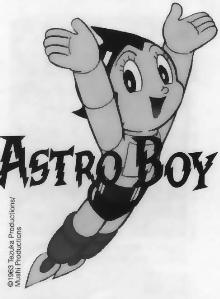
62 years ago, in 1963, 35-year-old Osamu Tezuka flew to the USA to present his hit TV series Tetsuwan Atom to the NBC network. According to Tezuka Production’s history, a preview was screened in New York on 10 March, a contract signed in May, and the series began airing as Astro Boy on 7 September. […]