

Well, never say never … but at present it seems unlikely, for three reasons. Firstly, Hayao Miyazaki has spent more than a decade working on two films. The Wind Rises and The Boy and the Heron, that are deeply personal. They are explorations of his own ideas, inspirations and beliefs, and of events and relationships that […]

I’m delighted that the proceedings of the Lancaster symposium on transnational anime are now published as an issue of the Journal of Anime and Manga Studies (JAMS), free to read here. There really is something for everyone here, from papers on the nitty-gritty of motion in anime and music in anime to the rise of […]
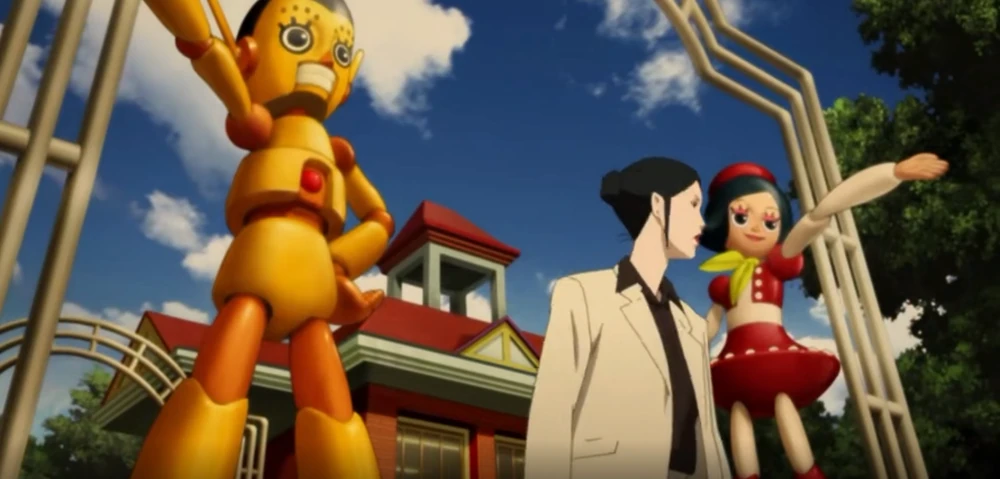
Although asked in the context of Miyazaki’s and Ghibli’s views on the primacy of the feature film, this question covers an issue that’s been debated in the anime business and anime scholarship for decades. It’s a really interesting question, because some people undeniably consider feature films superior to other forms of moving picture, but when […]

At the beginning of July I was privileged to speak at a symposium on Transnational Perspectives in Anime. It was held on the Lancaster University campus, co-hosted by Dr. Zoe Crombie and Japan Foundation London; I took part from my desktop. It was a truly fascinating day, sparking new ideas and new insights about the […]
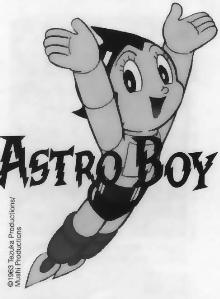
62 years ago, in 1963, 35-year-old Osamu Tezuka flew to the USA to present his hit TV series Tetsuwan Atom to the NBC network. According to Tezuka Production’s history, a preview was screened in New York on 10 March, a contract signed in May, and the series began airing as Astro Boy on 7 September. […]

That’s an excellent question, not just because it impacts a key relationship in the film of Howl’s Moving Castle but because it also gives us an example of the contrast between relationships with an equal power balance and relationships where all power is given to one side. I’m not going to talk about this in terms […]

I watched a surprising and very flattering new YouTube video today. It’s constructed, probably by AI (subtitles in that not-quite-grammatical format that says hi, I’m almost human,) from Asha Bardon’s recent interview with me for CBR, and it does a competent job of briefly summarising/abstracting the interview over a backdrop of anime frame grabs. I’ve […]
- 1
- 2